

The history of Buckingham stretches back over a thousand years, from its Saxon beginnings to its role as the historic county town of Buckinghamshire.
Today, the town of Buckingham is known for its rich heritage, historic landmarks and welcoming atmosphere.
Here at our Villiers Hotel, we always recommend exploring Buckingham during your stay. From its medieval streets to its beautiful green spaces, there's plenty to discover while learning about the town's fascinating past.
Read on as we explore the history of Buckingham and how it became the town visitors enjoy today.
When Did the History of Buckingham Begin?
Originally, Buckingham was a Saxon settlement built beside the River Ouse.
Its location made it an ideal place for trade and defence, helping the town grow from an early community into an important settlement.
The earliest recorded history dates back to the 10th century, when Edward the Elder, son of Alfred, strengthened the town by building a fortified settlement to defend against Viking attacks.
Following the Norman Conquest, a Norman castle was built on Castle Hill.
Although little of the castle survives today, it played an important role in protecting the growing manor and surrounding lands.
By the medieval period, Buckingham became one of the region's most significant settlements and laid the foundations for the thriving market town visitors see today.
How Did Buckingham Become a Medieval Market Town?
The history of the town changed significantly when Buckingham received a royal charter, allowing regular market days and annual fairs to take place.
These privileges helped establish Buckingham as a thriving medieval market town, attracting merchants from across Buckinghamshire, Oxford and neighbouring villages.
The town's status continued to grow through additional charters from Mary Tudor.
Mary Tudor in 1554 confirmed important trading rights, including the famous Charter Fair, which remains one of the oldest surviving fairs in Britain.
Later, Charles II in 1684 granted another charter, reinforcing Buckingham's position as a respected borough and strengthening local government.
Markets, livestock sales and trade continued to support the economy for centuries, helping shape the prosperous centre of Buckingham.
What Historic Buildings Can You Still Visit in Buckingham?
One of the most fascinating parts of the history of Buckingham is its collection of historic buildings, many of which remain at the heart of the town.
Buckingham Parish Church
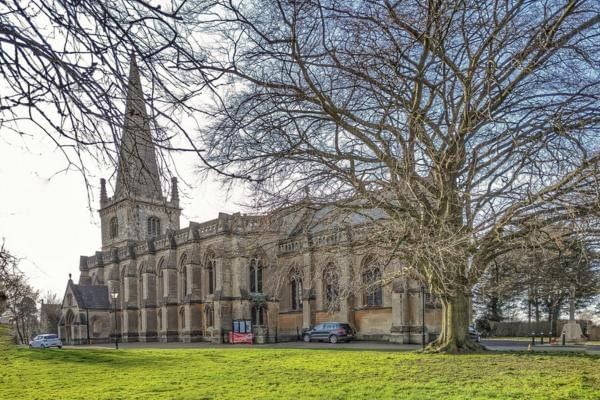
Also known as the Parish Church of St Peter and St Paul is one of Buckingham's best-known landmarks.
Parts of the church date back to the medieval period, although much of the building was rebuilt during later centuries. Visitors can admire its impressive spire, beautiful nave, chancel, historic brass memorials and striking architecture.
Nearby stands the historic Chantry Chapel, originally founded as a chantry before later serving a variety of community purposes.
The Old Gaol
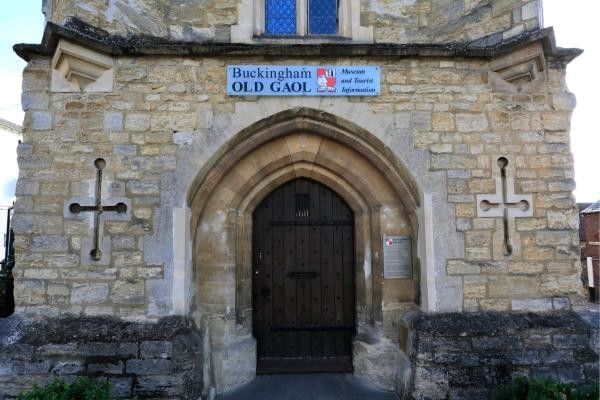
The Old Gaol is one of Buckingham's most recognisable buildings.
Built in 1748 during the early 18th century Buckingham period of expansion, the gaol was designed by Sir George Gilbert Scott's predecessor's era of civic architecture and later became a museum celebrating local history.
Today, the Old Gaol tells the story of Buckingham through exhibitions covering everything from the town's early settlement to Victorian life.
Buckingham Town Hall
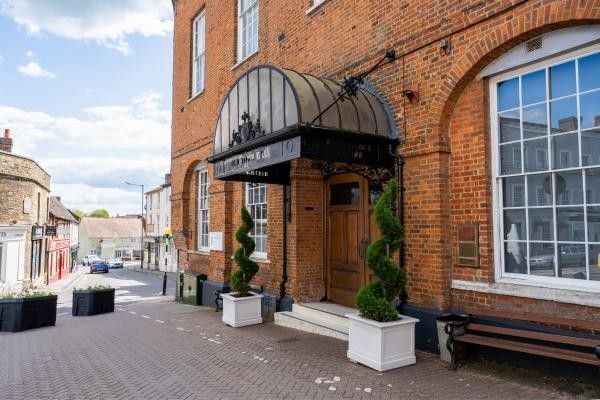
Standing proudly in the town centre, the Town Hall has long been at the heart of civic life in Buckingham.
For centuries, the borough used the building for public meetings, markets and important local events.
How Did Transport Shape Buckingham?
Transport played an important role in the development of Buckingham.
The River Ouse helped support local trade during the town's early history, while the nearby Buckingham Canal connected the town with wider trading networks.
The wharf became a busy point for transporting goods including agricultural produce, coal and building materials.
Although the canal later declined, the arrival of the railway during the 19th century improved connections with nearby towns including Aylesbury and Oxford.
These improvements encouraged further growth while allowing Buckingham to remain an important commercial centre within Buckinghamshire.
What Role Did Buckingham Play in Buckinghamshire?
For many centuries, Buckingham served as the historic county town of Buckinghamshire.
The town became an important administrative centre, home to courts, the gaol, local government and public institutions.
Education also flourished, with the establishment of the Latin School, while members of the local gentry contributed to the town's continued development.
Although Aylesbury later became the county town, Buckingham has retained its strong historic identity and continues to celebrate its unique heritage.
What Can You Explore in Buckingham Today?
Today, Buckingham combines centuries of history with modern attractions.
Visitors can stroll through the historic town centre, browse regular street market events and enjoy the town's attractive green spaces.
Just outside the town, Stowe Landscape Gardens, cared for by the National Trust, offer one of England's finest historic landscapes.
Motorsport fans can also visit nearby Silverstone, while local countryside walks reveal historic features including traditional windmill sites and picturesque villages.
Whether you're interested in architecture, local history or simply exploring somewhere new, Buckingham offers something for everyone.
We Hope You Enjoyed Learning About the History of Buckingham
We hope you found this article both interesting and informative.
Whether you're exploring the Old Gaol, visiting the Parish Church of St Peter and St Paul, or enjoying the beautiful green spaces surrounding Buckingham, there's plenty to discover during your visit.
If you'd like to learn more about the local area, take a look at our article on, "What Is Bletchley Park Famous For?"
FAQs related to the History of Buckingham
When did the history of Buckingham begin?
The history of Buckingham began during the Saxon period, with evidence of settlement dating back to the 10th century.
The town grew around the River Ouse and later developed into an important fortified settlement under Edward the Elder.
Why was Buckingham an important market town?
Buckingham became a thriving medieval market town after receiving royal charters allowing regular market days and fairs.
These trading rights attracted merchants from across Buckinghamshire, helping the town prosper for centuries.
Was Buckingham the county town of Buckinghamshire?
Yes. Buckingham served as the historic county town of Buckinghamshire for many centuries before administrative functions eventually moved to Aylesbury.
What is the Old Gaol in Buckingham?
The Old Gaol is one of Buckingham's best-known historic buildings.
Originally built as the town's prison, it now operates as a museum where visitors can learn more about the history of Buckingham and the surrounding area.
What historic buildings should I visit in Buckingham?
Some of Buckingham's most notable landmarks include the Parish Church of St Peter and St Paul, the Old Gaol, the Town Hall, Castle House and the historic buildings along Church Street.
What attractions are near Buckingham?
Visitors can enjoy Stowe Landscape Gardens, explore nearby Silverstone, walk through Buckingham's historic centre, visit its regular markets and relax in the town's attractive green spaces.